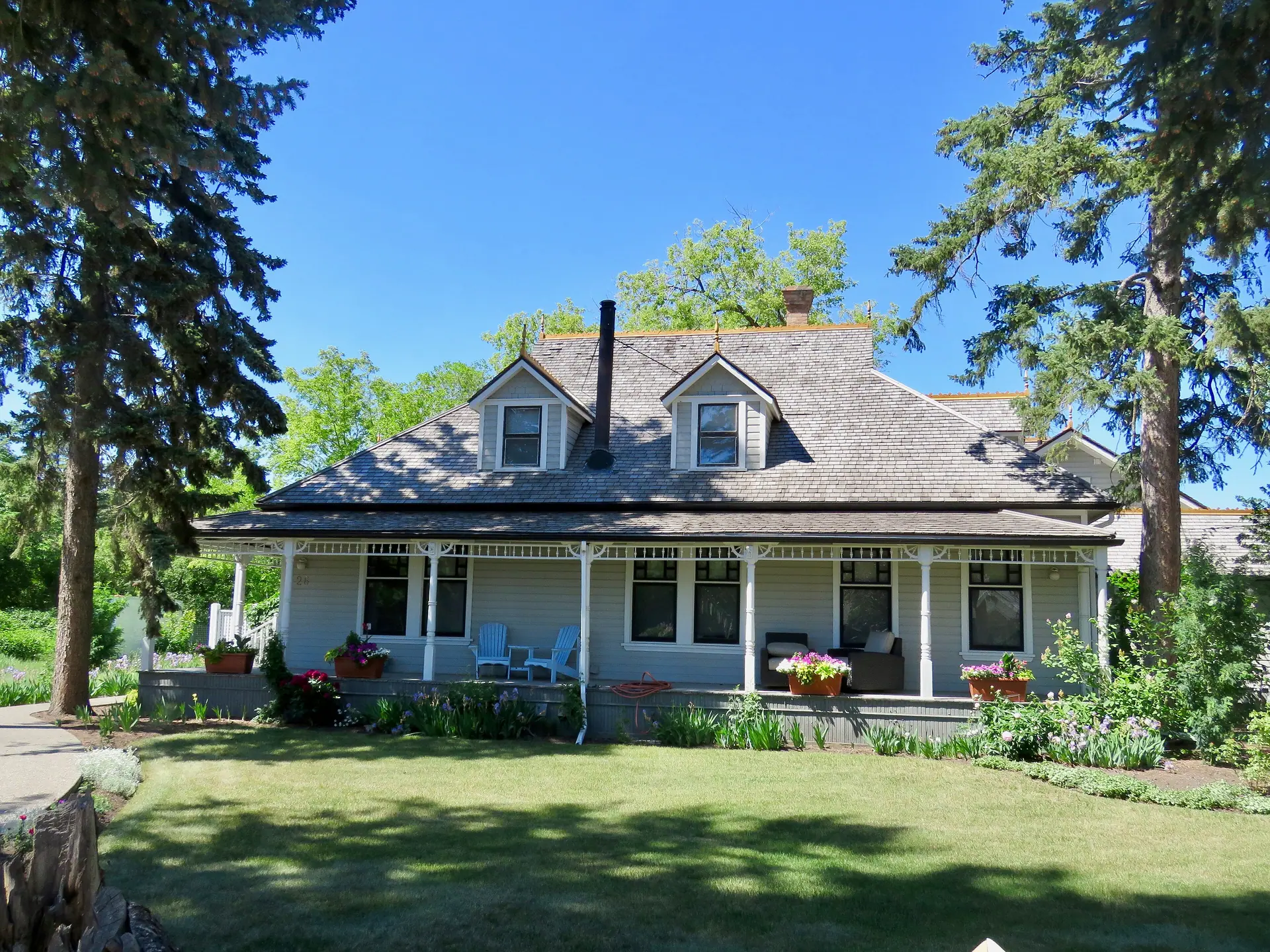
En bref· Quick answer
Renting in Calgary is governed by Alberta's Residential Tenancies Act. The rules that matter most: a security deposit cannot exceed one month's rent and must go into a trust account; move-in and move-out inspection reports are mandatory; there is no rent control, but rent cannot rise during a fixed term and a landlord must wait at least 365 days between increases with three full months' notice on a monthly tenancy; a landlord needs 24 hours' written notice to enter; and disputes go to the Residential Tenancy Dispute Resolution Service rather than court. Everything else on this page is about finding a good place and not getting scammed.
- Security deposit: at most one month's rent, cannot be increased later, and must be placed in an interest-bearing trust account in Alberta within 2 banking days (Alberta.ca, checked 2026-11-03).
- Interest on deposits is set yearly; the rate for 2026 is 0% (it was 0.5% in 2025 and 1.6% in 2024) (Alberta.ca, checked 2026-11-03).
- Rent increases: at least 365 days since the last increase or the start of the tenancy, never during a fixed term, and 3 full tenancy months' written notice for month-to-month (Alberta.ca, checked 2026-11-03).
- Ending a monthly periodic tenancy: tenant gives one full tenancy month; landlord gives three, and only for reasons allowed by regulation (Alberta.ca, checked 2026-11-03).
- Move-in and move-out inspection reports are mandatory; without them a landlord cannot deduct damage or cleaning from the deposit (Alberta.ca, checked 2026-11-03).
- CMHC's 2025 Rental Market Report put Calgary's purpose-built apartment vacancy at 5.0% with an average two-bedroom rent of $1,914 (CMHC, published 2025, checked 2026-11-03).
Most people who move to Calgary rent first, and that is a sensible way to learn the city before committing to a neighbourhood. This guide covers the search, the application, your rights and obligations under Alberta law, and the practical things (insurance, utilities, roommates, pets) that make the difference between a good year and a stressful one. It is general information; for a dispute, the provincial tribunal and the legal-information resources linked below are your next stop.
Where to look and what you will see
Calgary rentals are advertised on the general classified and rental platforms, on property-management company websites, through building rental offices for larger purpose-built towers, and increasingly on community social-media groups. Basement suites and secondary suites are a large part of the market; so are rented condos, which come with the building’s bylaws attached.
Listings will quote a monthly rent and usually say which utilities are included. In Calgary, “utilities” typically means electricity and natural gas (bought from a retailer), water, sewer and waste (billed through the City), and sometimes internet. Heating matters here: ask whether heat is included and how the home is heated before you sign, and ask for the previous winter’s average bills if it is not.
The CMHC’s most recent Rental Market Report is the official picture of vacancy and average rents for Calgary. Read it before you negotiate; it tells you how much leverage either side has this year.
What landlords ask for, and how newcomers answer
A typical application asks for photo identification, proof of income, a credit check, references and sometimes an employer letter. If you have just arrived, you may not have a Canadian credit file yet. Things that commonly help:
- A signed job offer or employment letter with your start date and salary.
- Recent bank statements or proof of savings.
- Landlord references from your previous city, with a short translation if they are in French.
- A guarantor (co-signer) who lives in Canada.
- An honest cover note explaining your situation. Landlords deal with newcomers constantly in Calgary; a clear story beats a thin file.
Alberta’s human rights law applies to housing: a landlord cannot refuse you because of your ancestry, place of origin, religion, family status or other protected grounds. The Centre for Public Legal Education Alberta explains discrimination in housing in plain language and what to do about it.
The agreement: fixed term, periodic or hybrid
Alberta recognises three kinds of residential tenancy agreement, per the province’s Starting a tenancy page:
| Type | What it is | How it ends |
|---|---|---|
| Fixed term | Starts and ends on set dates (often 12 months) | Ends automatically on the date; no notice required by either side |
| Periodic | Has a start date but no end date; usually month-to-month | Either side gives proper written notice |
| Hybrid | Fixed term that becomes periodic afterwards, by its terms or by conduct | As periodic once the fixed term expires |
Read the agreement for who pays which utilities, the rules on guests, smoking and pets, parking, and what happens at the end of the term. Oral agreements are legal but a written one protects both sides.
Deposits, interest and the inspection report
Three rules every Calgary tenant should know by heart:
- The deposit is capped at one month’s rent. It cannot be increased during the tenancy, and the landlord must place it in an interest-bearing trust account in Alberta within two banking days. The province sets the annual interest rate; for 2026 it is 0%.
- Move-in and move-out inspection reports are mandatory. You and the landlord walk through the unit together and record its condition in writing, at the start and at the end. The province’s During a tenancy page is explicit: a landlord cannot deduct damage or cleaning costs from the deposit if the inspection report requirements were not met.
- Your deposit comes back, with any deductions itemised in writing. The province’s Ending a tenancy page covers the return process; disputes about deductions are exactly what the RTDRS is for.
Take dated photos of every room, every appliance and every mark on move-in day, and keep them with your copy of the report.
Rent increases, landlord entry and repairs
Alberta has no rent control, which worries people arriving from Quebec. What the law does control:
- A landlord must wait at least 365 days after the last increase (or the start of the tenancy) before raising rent.
- Rent cannot be increased during a fixed term.
- For a month-to-month tenancy, the landlord must give three full tenancy months’ written notice (twelve weeks for weekly, 90 days for other periodic tenancies), signed and dated, stating the effective date.
A landlord may enter with your consent at any time, or with at least 24 hours’ written notice for repairs, inspection, pest control, or showing the unit to buyers, lenders or (after notice to end a periodic tenancy, or in the last month of a fixed term) prospective tenants. Without notice, entry is allowed only for a suspected emergency or apparent abandonment.
Landlords must keep the premises in a state that meets health and safety standards; the CPLEA housing pages explain repairs and health standards, and Alberta Health Services inspects on complaint.
Ending a tenancy and moving out
For a fixed term, no notice is required: it ends on the date. For a periodic tenancy, the province’s rules are clear: on a monthly tenancy the tenant gives one full tenancy month and the landlord gives three; on a yearly tenancy, 60 days (tenant) and 90 days (landlord) before the end of the tenancy year. Notice must be in writing, with the address, the end date and a signature; landlords must also state their reasons, and can end a periodic tenancy only for reasons allowed by regulation. Late notice pushes the end date to the next full period.
On the way out: do the move-out inspection, hand over all keys, give a forwarding address in writing, and photograph the empty unit.
Insurance, utilities and the practical layer
Tenant insurance is not legally required but your landlord may require it, and it is cheap relative to what it covers: your belongings, liability for accidental damage you cause, and additional living expenses if a covered loss makes the home unlivable (the FCAC home-insurance page explains the categories). Utilities you are responsible for typically need accounts in your name from possession day: electricity and gas with a retailer, water through the City of Calgary, internet with a provider. Ask the landlord which accounts transfer and which you open.
If you are renting a condo, you are bound by the corporation’s bylaws (noise, pets, moving elevators, parking) in addition to your lease; ask for a copy. Roommates are a legal situation of their own: who signed the lease matters, and CPLEA’s roommate page is worth ten minutes. Pets are at the landlord’s discretion in Alberta except for service animals; expect a pet clause, and sometimes a separate pet fee, which is not the same as the deposit.
When things go wrong: the RTDRS
The Residential Tenancy Dispute Resolution Service is the provincial tribunal for disputes under the Residential Tenancies Act: unreturned deposits, unpaid rent, repairs, evictions. It exists so that landlords and tenants do not have to go to court, and it is designed to be used without a lawyer. Keep every notice, receipt and photo; the service runs on documents.
Your next steps
- Compare areas by commute and amenities in the Neighbourhood explorer.
- Read the housing costs guide for the utilities and transit side of the budget.
- Use the Moving and housing checklist for the two weeks around possession day.
- Not sure whether to keep renting? Work through Rent or buy.
- The City of Calgary’s newcomers page lists settlement organizations that help with housing searches.
Questions people ask
Is there rent control in Alberta?
No. There is no cap on the size of a rent increase. What the law controls is timing and notice: no increase during a fixed term, at least 365 days between increases, and three full tenancy months' written notice for month-to-month tenancies.
How much can a landlord ask as a deposit?
At most one month's rent, taken at the start of the tenancy, never increased, and placed in a trust account within two banking days. It earns interest at the annual rate set by the province, which is 0% for 2026.
I have no Canadian credit history. Can I still rent?
Yes. Landlords commonly accept a job offer letter, proof of savings, references from a previous landlord (even in French; offer a translation), or a guarantor. Some ask for a larger first payment; remember the deposit itself is still capped at one month.
What is a move-in inspection report and do I have to sign it?
A written record of the unit's condition at move-in, completed by you and the landlord together. It is mandatory, it protects you, and the landlord cannot deduct for damage or cleaning later if the inspection rules were not followed. Take your own photos too.
My landlord wants to show the unit to buyers. Can they just come in?
Not without notice. Unless you consent, the landlord must give at least 24 hours' written notice and can enter for listed reasons, including showing the unit to prospective purchasers. Emergencies are the exception.
Where do I go if there is a dispute?
The Residential Tenancy Dispute Resolution Service (RTDRS) is the provincial tribunal for landlord-tenant disputes under the Residential Tenancies Act, and it is designed to be used without a lawyer. Court is the alternative, not the default.
Does July 1 mean anything in Calgary?
No. Unlike Quebec, Alberta has no traditional moving day. Leases start any month, and the rental market is busiest from late spring to early fall.
Sources and official links
- Alberta.ca — Information for landlords and tenants (hub; French version available)FR/EN
- Alberta.ca — Starting a tenancy (agreement types, deposits)EN
- Alberta.ca — During a tenancy (rent increases, entry, inspection reports)EN
- Alberta.ca — Ending a tenancy (notice periods)EN
- Alberta.ca — Annual security deposit interest rateEN
- Alberta.ca — Residential Tenancy Dispute Resolution Service (RTDRS)EN
- CPLEA — Housing: landlord and tenant, roommates, pets, discriminationEN
- FCAC — Home insurance, including tenant's insuranceFR/EN
- CMHC — Rental Market Report (Calgary section)FR/EN
- Canadian Anti-Fraud CentreFR/EN
- City of Calgary — Welcome to Calgary (newcomers)EN
- Tribunal administratif du logement (Québec)FR/EN
This page is general information, not legal, immigration, medical or financial advice. Always confirm details with the official source linked.
Keep reading

Calgary moving and housing checklist: eight weeks out to the end of your first month
Read
Rent or buy in Calgary? The considerations, an honest worked example and a calculator
Read

Relocating to Calgary for work: a 90-day plan for housing, paperwork and settling in
Read