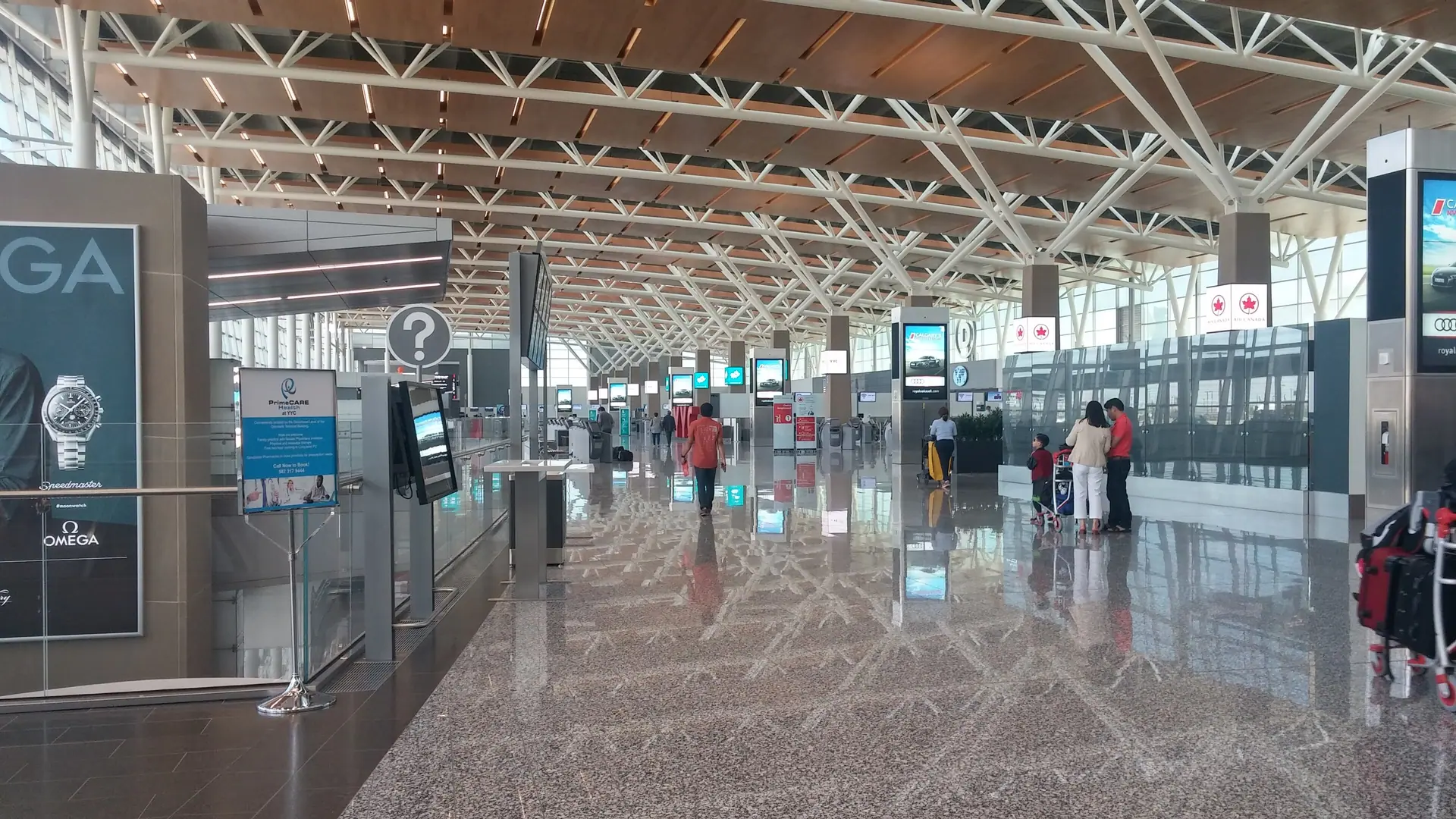
En bref· Quick answer
If you are moving to Calgary for a job, the first 90 days have a shape: secure temporary housing and a commute-based shortlist of areas before you land; in week one, get your Social Insurance Number, health coverage and bank account started; by day 90, you must have exchanged your driver's licence and registered any vehicle you brought; and only then, with a winter or a summer behind you, decide where to buy. Frank offers a free, no-obligation relocation conversation in French or English to help you sequence it. This page is clearly labelled as including a commercial service.
- Driver's licence: exchange it within 90 days of becoming an Alberta resident (Alberta.ca, checked 2026-11-03).
- Vehicle: register it in Alberta within 90 days of moving; an out-of-province inspection is required for vehicles previously registered elsewhere in Canada (Alberta.ca, checked 2026-11-03).
- Health coverage: apply for the Alberta Health Care Insurance Plan when you move; the province's page explains the 3-month window and documents (Alberta.ca, checked 2026-11-03).
- Rent increases in Alberta need 3 full months' notice on a monthly tenancy and cannot happen during a fixed term, which makes a one-year lease a predictable landing pad (Alberta.ca, checked 2026-11-03).
- Pre-approved mortgage rates are typically held for 60 to 130 days, so there is no rush to lock one before you have a possession date in mind (FCAC, checked 2026-11-03).
This page includes a commercial service: Frank Clement’s relocation consultation. The sequence, the deadlines and the official links are useful whether or not you ever speak to him, and nothing here signs you up for anything.
A work relocation is different from a leisurely move. You have a start date, usually a package with its own clock, and often a family whose school year or job search is moving with you. The 90-day plan below is built around Alberta’s real deadlines (licence, vehicle, health coverage) and around the single most expensive mistake people make, which is buying a home in a city they have not yet lived in.
Before you arrive: the shortlist and the landing pad
Read the relocation package first. It tells you what is reimbursed (movers, a house-hunting trip, temporary housing for 30, 60 or 90 days, sometimes closing costs or lease-break fees), the deadlines to claim, and whether you must use a named relocation company. Everything else fits around it.
Build a commute-based shortlist. Calgary is a large city by area, and the difference between a 20-minute and a 55-minute commute is mostly a choice of quadrant. Put your office address on a map, test travel times at 8 a.m. and 5 p.m. by car and by transit, and shortlist three or four communities. The Neighbourhood explorer compares every Calgary community on City of Calgary open data (population, dwelling types, ownership share) so you can filter objectively before you fall for a photo.
Book temporary housing. A furnished short-term rental, an extended-stay hotel or corporate housing for the first month or two gives you time to see the shortlist with your own eyes. If the package covers it, use every day of it.
Line up the paperwork you will need on day one: passports and permanent-resident or work documents if applicable, birth certificates for children, driver’s licences, vehicle registration and insurance, your Quebec or other provincial health card, school records and immunization records, and a recent credit report from your previous province.
Week one: the three accounts
Your first week in Calgary has three errands that unlock everything else.
- Social Insurance Number. If you do not already have one (you will if you worked elsewhere in Canada), apply through Service Canada. Your employer needs it to pay you.
- Health coverage. Apply for the Alberta Health Care Insurance Plan (AHCIP). The province’s page for people moving to Alberta explains the window and the documents; your previous province’s coverage usually bridges you for a limited period, so apply early rather than late. Registry agents around the city can take the application.
- Bank account and a Canadian address. Open or transfer your account, update your address, and set up Canada Post mail forwarding from your old address if you have not already.
Then the City’s newcomers page: 3-1-1 for any municipal question (with translation in 200-plus languages), waste carts, recreation registration, library card.
Weeks two to six: live in the shortlist
Use the temporary-housing weeks to visit each shortlisted community at different times. Walk to the nearest grocery store. Take the CTrain or bus you would actually use. Note sun and wind: a west-facing yard and a north-facing driveway behave very differently in January. Look at the condition of the sidewalks and the community association’s notice board. Talk to people at the playground.
If children are moving with you, register them for school as soon as you have an address: the Calgary Board of Education and the Calgary Catholic School District both offer French immersion, and the Conseil scolaire FrancoSud is the French-language public and Catholic board, with eligibility based on Section 23 of the Charter. School catchments can decide a neighbourhood for you; check them before you sign a lease.
By the end of this period, sign a lease in the community that won. Read our renting guide first: the deposit cap, the mandatory inspection report and the notice rules are the things to know.
By day 90: the hard deadlines
Alberta gives new residents 90 days for two things, and both are enforced:
- Exchange your driver’s licence at a registry agent. You surrender your previous licence; it will not be returned. The province’s page lists what to bring.
- Register your vehicle in Alberta. A vehicle previously registered in another province needs an out-of-province inspection before plates are issued; you get the inspection request from a registry agent first. Insurance must be in place before registration.
Also in this window: update your address with the Canada Revenue Agency and your former province’s tax authority, transfer prescriptions to a Calgary pharmacy, and, if applicable, let your former province’s health plan know you have left so coverage ends cleanly.
Months three to twelve: learn the city, then decide
With housing settled, the rest of the first year is about building the life that makes a city home: the events calendar, the French-language directory, a recreation centre membership, a first trip to the mountains, a first chinook.
Somewhere in that year, revisit the buy-or-rent question with real information. If you decide to buy, the sequence in Buying a home in Alberta starts with a pre-approval, whose rate is typically held for 60 to 130 days, so there is no point locking one before you are ready to make offers.
If a partner or family is moving with you
A relocation package is usually written for the employee; the people moving with them carry the harder part. A few things that help, in rough order:
- The accompanying partner’s work. If they will look for a job, start the credential and licensing questions before arrival for regulated professions (nursing, teaching, engineering, trades all have Alberta bodies), and ask whether the employer’s package includes any spousal career support.
- Childcare. Licensed childcare in Calgary often has waiting lists; put names down as soon as you have a tentative address, and read the province’s child care subsidy rules if your income may qualify.
- Schools and the calendar. Alberta’s school year starts in late August or early September; a mid-year arrival is normal and boards register year-round, but a child joining a French-language or immersion program benefits from an early conversation with the school.
- Health. Everyone needs their own AHCIP registration; bring each person’s documents.
- The social layer. Francophone community organizations, conversation groups and the events calendar are where accompanying family members find their footing fastest. Plan one outing a week in the first month; it works.
How Frank’s relocation conversation works
Frank Clement is a licensed real estate associate with Real Estate Partners at Real Broker who moved to Calgary from Quebec himself. His relocation conversation is exactly that: a phone or video call in French or English about your timeline, budget, commute, family and what you want from the first year. You leave with a sequence, a shortlist and honest answers, including “rent first” when that is the honest answer.
What it is not: a sales pitch, a listing presentation or a subscription. There is no obligation, you are not added to any marketing list, and if you later decide you want representation to rent or buy, that is a separate written service agreement under Alberta rules, which you are free to sign with anyone. Contact Frank when you are ready; the questions to ask an agent page is a good thing to read first.
Your next steps
- Print the Moving and housing checklist and the interactive newcomer journey.
- Shortlist areas with the Neighbourhood explorer.
- Read Renting in Calgary before your first lease.
- Register children through the school board links in the sources.
- Book a relocation conversation with Frank, free and in the language you prefer.
Questions people ask
Should I buy before I arrive so I only move once?
Most relocation specialists, Frank included, will tell you no unless you know Calgary well. Commutes, sun exposure, wind, and the character of a community are hard to judge from a listing. A one-year lease costs you one extra move and buys you a far better purchase.
What are my options for temporary housing?
Furnished short-term rentals, extended-stay hotels and corporate housing are the usual three. Many employers' relocation packages cover 30 to 90 days of one of them; ask HR what the policy is and whether it covers family members.
How do I choose an area if I don't know the city?
Start from the office address. Test the commute at rush hour on a map with transit and driving modes, in both directions. Shortlist three or four communities, then visit them on a weekend and a weekday evening. Our neighbourhood explorer uses City of Calgary open data to compare them objectively.
When do I need to register my kids for school?
As soon as you have an address. Calgary has English public and Catholic boards with French immersion programs, and FrancoSud, the French-language board, whose eligibility is based on Section 23 of the Charter. Registration pages for each are linked in the sources.
What does Frank's relocation consultation involve?
A conversation, by phone or video, in French or English, about your timeline, budget, commute and family needs, ending with a sequence and a shortlist. It is free, there is no obligation, and you are not added to any marketing list. If you later want representation, that is a separate written agreement under Alberta rules.
Does my employer's relocation package change anything?
It usually sets what is reimbursed (movers, temporary housing, a house-hunting trip, sometimes closing costs) and the deadlines to use it. Read it before you book anything, and ask whether it names a relocation company you must use.
Sources and official links
- Alberta.ca — Moving to Alberta from within CanadaEN
- Alberta.ca — Moving to Alberta (topic hub)EN
- Alberta.ca — Apply for health care coverage if you move to AlbertaFR/EN
- Alberta.ca — Exchange a licence from outside AlbertaEN
- Alberta.ca — Register a vehicle in AlbertaEN
- Service Canada — Social Insurance NumberFR/EN
- City of Calgary — Welcome to Calgary (newcomers)EN
- Alberta.ca — During a tenancy (rent increases, fixed terms)EN
- FCAC — Getting preapproved for a mortgageFR/EN
- Calgary Board of Education — Registering for schoolEN
- Conseil scolaire FrancoSud — InscriptionFR
- Canada Post — Mail forwardingFR/EN
This page is general information, not legal, immigration, medical or financial advice. Always confirm details with the official source linked.
Keep reading
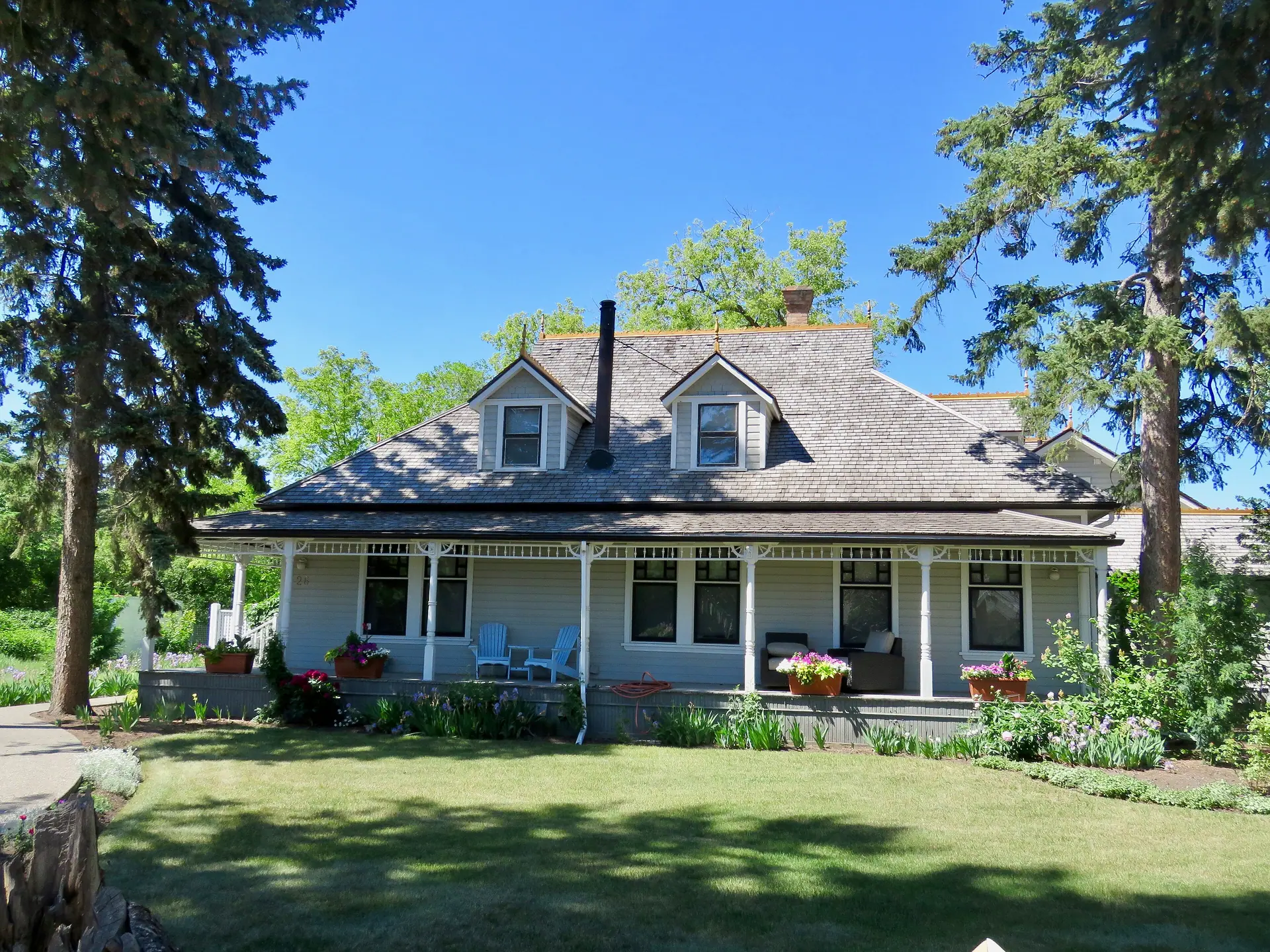
Renting in Calgary: finding a place, your rights, deposits, notice and how to avoid scams
Read
Buying a home in Alberta: the process from first conversation to possession day
Read

Calgary moving and housing checklist: eight weeks out to the end of your first month
Read
Questions to ask a real estate agent in Alberta before you sign anything
Read