En bref· Quick answer
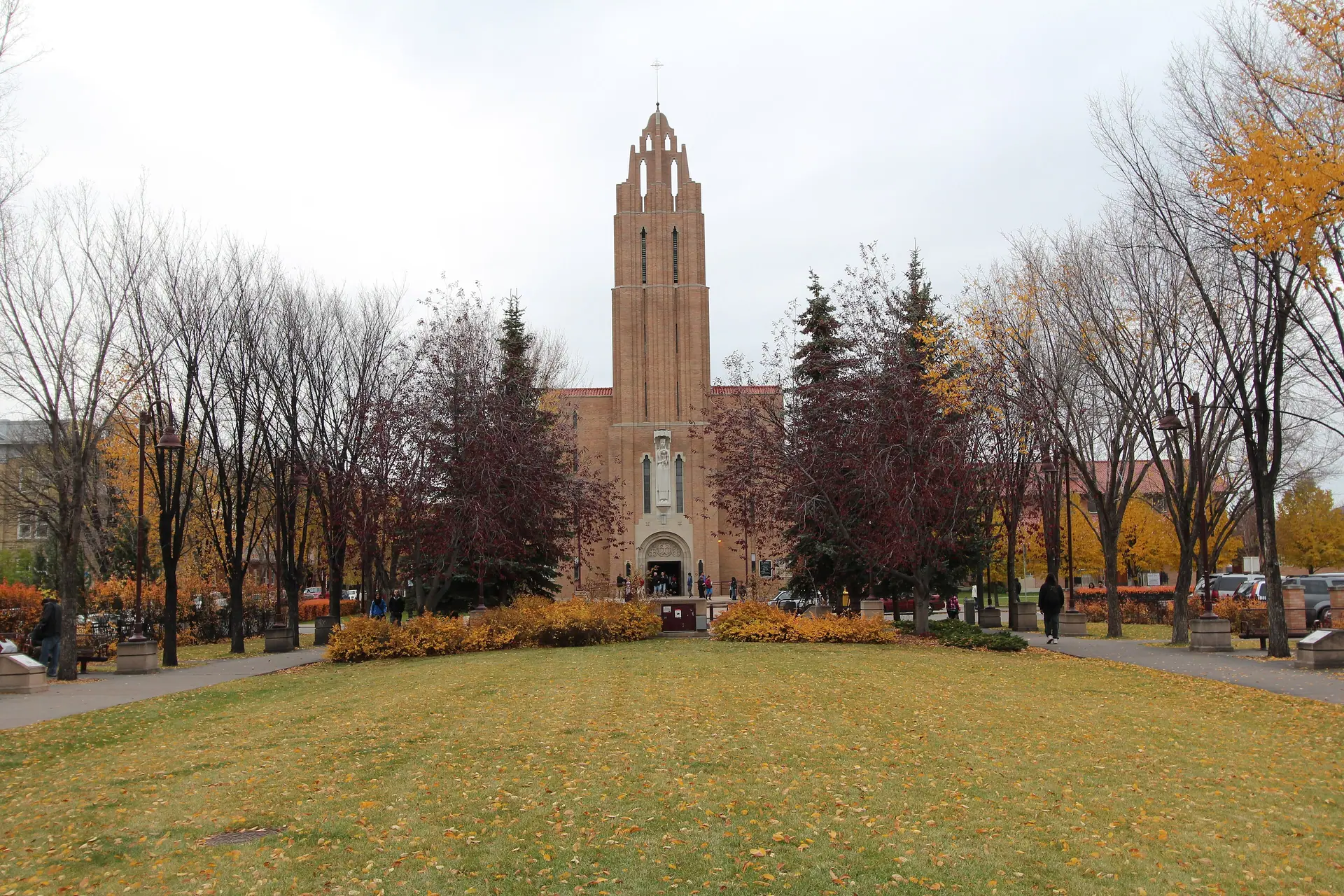
Begin at Rouleauville Square, at 197 17 Avenue SW, in front of St. Mary’s Cathedral. Use the public interpretation as your starting point, then explore the surrounding public streets at your own pace. Check conditions and access before leaving.
A place name can become a doorway into a city. Rouleauville Square is one of those names. If you are arriving from Quebec and wondering where French fits in Calgary, start with a slow visit here. If you have lived here for years, come with a different question. Which parts of the city’s French story have you walked past without noticing?
This suggested independent outing connects our francophone history article with a place you can visit. Choose your own pace and stops. Read the longer story first if you want context about the mission, the Rouleau family and the village that became part of Calgary.
Before you leave
Open the City’s park page, confirm the location and check current notices. Save 197 17 Avenue SW in your map app. Plan your route home as well as your arrival. Use your normal transport so the outing also helps you understand everyday travel.
Wear shoes suited to the conditions. A short urban visit can involve ice, road crossings or construction. If step-free access, a washroom or another facility is essential, confirm it with the relevant operator. We have not audited the entire route for accessibility.
Make this a small outing if that fits your day. You can spend your available time at the square and return later. Choose a turnaround point before you start walking, especially in winter.
First stop — read the place
The City describes the square as a park in front of St. Mary’s Cathedral, named for Charles and Edward Rouleau. It lists historical interpretation, a tree-lined walkway, a circular plaza and a brick mural among the features.
Read the interpretation before taking photographs. Write down one unfamiliar name and one question. Look at the relationship between the park, the cathedral and the streets around them. What helps you recognize the history? What would you have missed without the signs?
If you are practising French together, take turns using “Je remarque…” and “Je me demande…”. They mean “I notice…” and “I wonder…”. A simple sentence can open a longer conversation.
Second stop — observe from public space
Look at the cathedral’s exterior and its setting from the public space. Services, private events and posted rules take priority. Check visitor access directly before entering a building.
Think about the places that anchor your own community today. It might be a school, library, recreation centre, place of worship or café. What makes somewhere a point of return? How would a newcomer recognize it?
Photograph architecture from permitted public locations. Ask before taking identifiable pictures of people. Keep the place name with each original photo so a future caption accurately describes the scene.
Third stop — walk an ordinary block
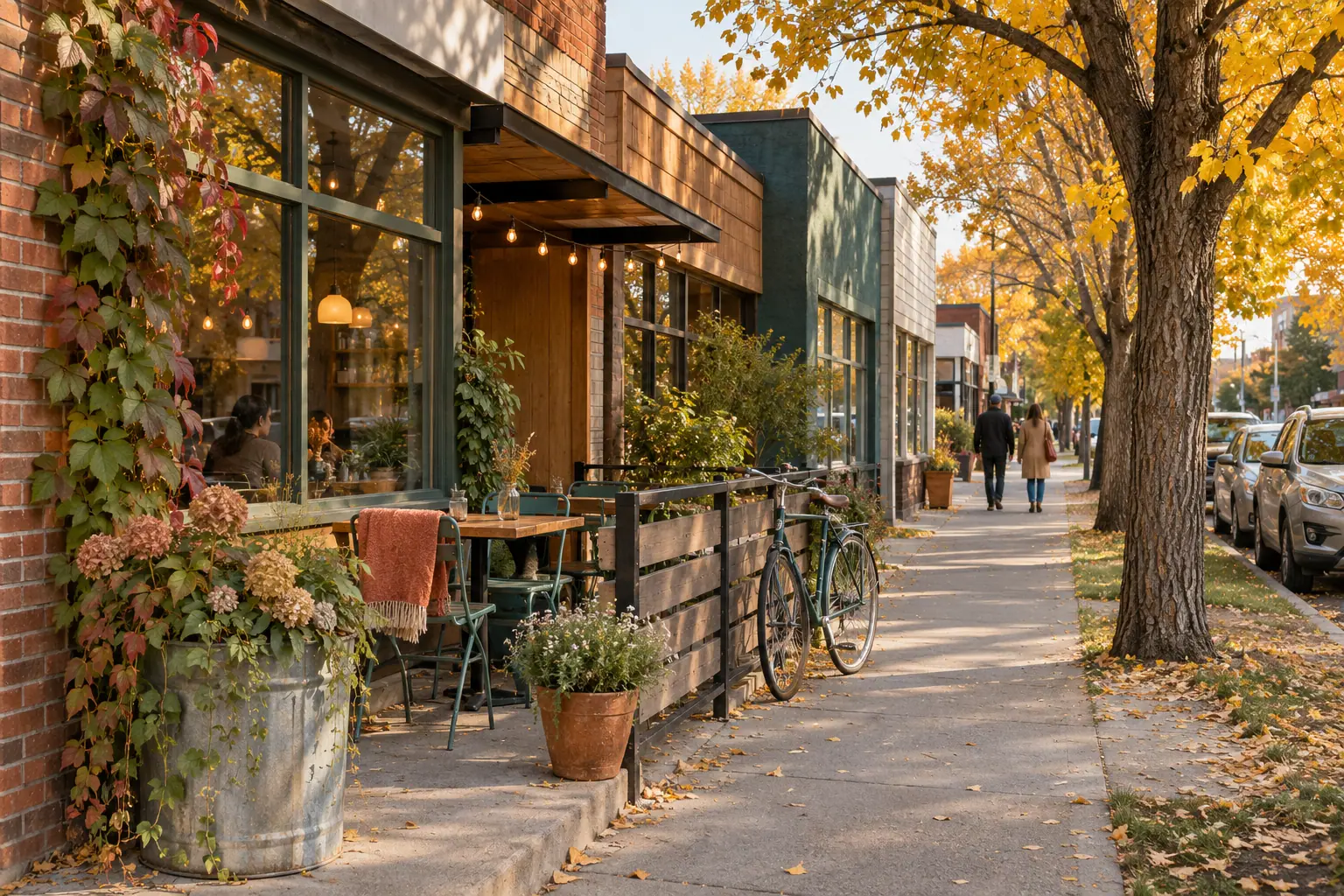
Choose a nearby public block that fits your mobility and the conditions. Observe homes, services, crossings and everyday destinations. A neighbourhood carries history while people continue buying groceries, going to work and meeting for coffee.
Historical French significance does not establish the current service language of a business. Ask each provider directly. Use the walk to learn what you enjoy about a place, too. Would you return on a Tuesday? Is the journey easy enough to repeat? Where would you stop if you only had half an hour?
These observations connect a city’s story to your own routines. They can also make a more grounded conversation about housing preferences, without treating cultural heritage as a shortcut for deciding where someone should live.
Bring the story forward
Choose one present-day connection before going home. Browse ACFA Calgary, our directory or the calendar, then confirm details with the organizer.
The ACFA’s explanation of Franco-Albertan symbols offers another visual thread. Look at how the wild rose and fleur-de-lys connect Alberta and its francophone communities.
If you want to contribute a story, bring one observation, a photo you have permission to publish and a question for a historian, resident or organizer. Those people may offer different perspectives. Frank can help make introductions and gather material for a future interview.
Save this simple plan
- Check the location, weather, current notices and route home.
- Read the interpretation and write down a question.
- Observe the cathedral from public space.
- Walk one nearby block if conditions suit you.
- Choose a current French-language resource to explore next.
Print this page or save its link. Use the correction link below if a location or access detail has changed.