En bref· Quick answer
Calgary is one of the easiest big Canadian cities for a French citizen to land in: a federally designated Welcoming Francophone Community, a French-curriculum school, a francophone school board, an Alliance Française and a growing French-speaking population. The paperwork follows a predictable order (status, SIN, bank, health card, licence), and most of it depends on which immigration door you use. This guide names each door, links the official page, and explains what changes once you are here.
- Calgary is a designated Welcoming Francophone Community under IRCC's francophone immigration initiative (canada.ca, checked 2026-11-03).
- France is an International Experience Canada partner country; IEC is for ages 18 to 35 (18 to 30 for some countries) (canada.ca, checked 2026-11-03).
- Alberta lists France among jurisdictions with a reciprocal licence exchange, for Class 5 only: no knowledge or road test, and proof of 2 or more years of driving for a full licence (alberta.ca, checked 2026-11-03).
- Temporary residents can be eligible for Alberta health coverage if they establish residency, intend to stay 12 consecutive months and hold a permit with at least 6 months left; private insurance is recommended until approval (alberta.ca, checked 2026-11-03).
- The Lycée international de Calgary (formerly Lycée Louis Pasteur) follows the French national curriculum from preschool to Grade 12; FrancoSud is the public francophone school board (lycee.ca, francosud.ca, checked 2026-11-03).
- Canada and France have a tax convention to avoid double taxation; your Canadian filing obligations depend on your tax residency status (canada.ca, checked 2026-11-03).
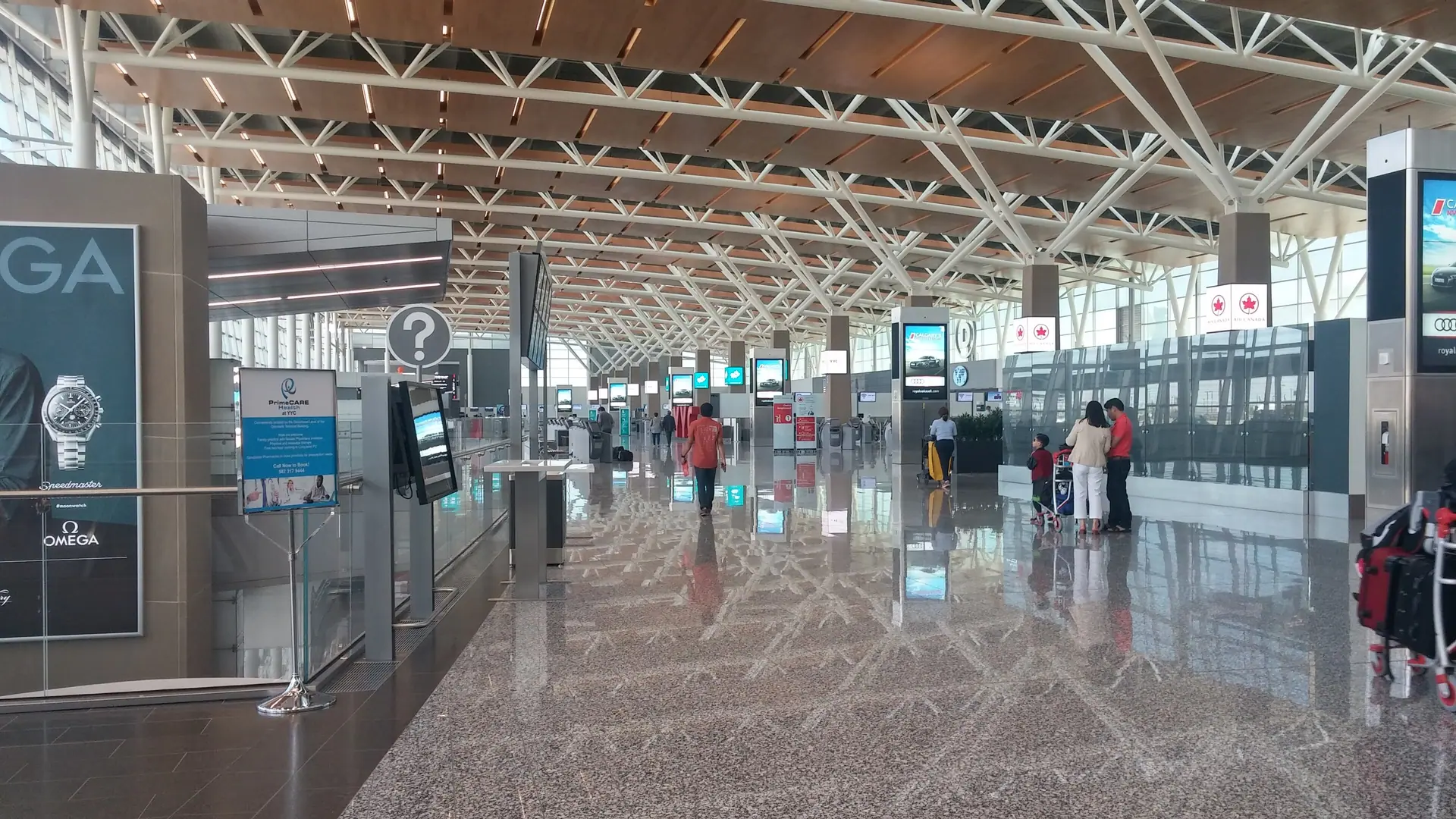
Every spring, a new wave of French passports lands at YYC: a couple on a working holiday who heard Calgary has jobs and mountains, an engineer transferred to an energy company, a family who chose a city where their kids can keep studying in French. The French community here is not as visible as in Montréal, and that is exactly why people like it. You learn English fast, you live in a house with a garage, and you find out that Calgary’s francophonie is bigger and more mixed than anyone told you.
This guide is for French citizens specifically. It names each immigration door with its official link, walks through the first-month paperwork in the order it actually happens, and ends with the things that only a French person notices: the accent question, the price of cheese, the first chinook.
Which immigration door are you using?
Nothing else in your move is as consequential as this choice, and we will not advise you on it. Here is each option, by name, with the official page. Decide with the government sites or a licensed immigration consultant or lawyer, never a forum.
| Door | Who it is for | Where to read |
|---|---|---|
| International Experience Canada (IEC) | The working holiday. France is a partner country; ages 18 to 35 (18 to 30 for some countries). | IEC on canada.ca |
| Francophone Mobility work permit | French-speaking or bilingual workers destined to live and work outside Quebec, with an employer. No labour market impact assessment is needed. | Francophone Mobility |
| Express Entry | Permanent residence for skilled workers through the Federal Skilled Worker, Federal Skilled Trades and Canadian Experience Class programs. | Express Entry |
| Alberta Advantage Immigration Program (AAIP) | Provincial nomination to live and work in Alberta permanently. | AAIP on alberta.ca |
| Study permit | Students admitted to a designated institution (University of Calgary, Mount Royal, SAIT and others). | Study permit |
| Francophone minority community student pilot | Study in French in a minority community, then apply for permanent residence after an eligible program (listed on IRCC’s francophone portal). | Francophone immigration portal |
IRCC’s portal for French speakers also lists the Destination Canada Mobility Forum, pre-arrival services and a finder for newcomer services in French. Bookmark it; it is the one page that changes when programs change.
Before you fly: the short list
- Documents. Passport with enough validity, the letter of introduction or permit approval, birth certificates (an official translation is often requested for anything not in English or French), diplomas and transcripts, driving licence, a few months of bank statements, vaccination records for children, and a French prescription summary if you take medication.
- Money. You will open a Canadian account in your first week, but you need a way to pay before that. A card with no foreign transaction fees saves real money over a year.
- Housing for the first weeks. Short-term furnished rentals are the standard landing pad. Read our renting in Calgary guide before signing anything longer.
- Winter is not a rumour. If you land between October and April, bring or buy a real coat and boots before you arrive, or budget for them in the first week. The first Calgary winter explainer tells you what to expect.
- Health insurance for the gap. Alberta itself recommends private coverage until your provincial coverage is approved; many IEC participants are required to carry it for the whole stay.
Your first month, in order
The sequence matters because each step unlocks the next.
- Status and permit at the border. Keep the printed permit; a photo on your phone is not a document.
- Social Insurance Number (SIN). The nine-digit number you need to work and to access government programs. Apply through Service Canada with your permit and passport. Keep it private; employers and banks are the only people who need it.
- Bank account. Under federal rules you can open an account with proper identification even if you are not a citizen, and the bank must verify your identity with original documents from an approved list. Ask about newcomer packages, but compare monthly fees: French banks spoiled you.
- Phone. Plans are expensive compared with France. Bring an unlocked phone and shop around.
- Address. You need a Calgary address for the health card and the licence. A friend’s address is acceptable for mail, but a lease or utility bill is what registries ask for.
- Alberta Health Care Insurance Plan (AHCIP). Apply within three months of establishing residency. See the next section.
- Driving licence. Within 90 days of becoming a resident.
- Credit history. Canada does not know your French banking history. A credit report starts when you use credit here. The Financial Consumer Agency of Canada explains how reports and scores work; the usual newcomer path is a card with a small limit, paid in full every month.
Health coverage by status
Alberta’s public plan, AHCIP, covers medically necessary physician and hospital services. Who can enrol depends on your document.
- Temporary residents (work or study permits) may qualify if they establish residency in Alberta, intend to live here for a minimum of 12 consecutive months and hold an acceptable entry document with at least 6 months remaining. A work permit must name an Alberta employer or be open; a study permit must come with a letter from the institution confirming full-time attendance. Alberta warns that not all IRCC permits qualify and reviews each document.
- Permanent residents apply like any new resident. If you move from another country, you might be eligible from the date you established residency, provided you apply within 3 months with all documents.
- Everyone should buy private insurance until approval. A single emergency visit without coverage costs more than a year of premiums.
Prescription drugs, dentists, optometrists and physiotherapy are mostly not covered by AHCIP for adults; employer benefits or private plans fill the gap. Pharmacies are everywhere and pharmacists can do more here than in France (renewals, some assessments). Health Link at 811 is the 24-hour advice line.
Exchanging your French licence
Alberta’s registry rules are precise and favourable to France:
- New residents must exchange an out-of-province licence within 90 days of becoming a resident, even if they travel outside Alberta in that period.
- France is listed among jurisdictions with a reciprocal exchange, Class 5 only (the ordinary car licence). Holders of a valid French licence get an Alberta licence without a knowledge or road test. A full Class 5 requires proof of 2 or more years of driving experience; ask your French insurer or the ANTS for a driving history document before you leave.
- If your licence is not in English or French, an approved translation is required; a French licence is in French, so this does not apply.
- Motorcycle and commercial classes are not covered by the reciprocal list. Expect tests.
Registries in Alberta are private “registry agents” operating under provincial licence; you will see several in every quadrant. Vehicle registration and insurance are separate steps, and Alberta does not have Quebec’s mandatory winter-tire window; it is your decision, and in Calgary it is the right one.
Taxes without panic
The Canada–France tax convention exists so that you are not taxed twice on the same income. What you owe in Canada depends on your residency status for tax purposes, which the Canada Revenue Agency determines from your residential ties (home, spouse, dependants, and so on), not from your immigration document. Someone who becomes a resident during a year generally files their first Canadian return the following spring.
Two practical notes. First, Canada files individually, not per household, and there is no French-style quotient familial. Second, Alberta has no provincial sales tax; you pay the 5% federal GST on most purchases, which is why price tags look lower than the total. For anything involving French property, pensions or a company, use an accountant who does cross-border work. This is general information, not tax advice.
Schools: three French-language paths
Calgary gives francophone families more choice than most Canadian cities of its size.
- Lycée international de Calgary (formerly Lycée Louis Pasteur), a private, dual-curriculum school in Altadore (4099 Garrison Boulevard SW) following the French national curriculum alongside Alberta accreditation, from preschool to Grade 12. The French Ministry of National Education and the AEFE partner network appear among its accreditations. Tuition applies.
- Conseil scolaire FrancoSud, the public francophone school board headquartered in Calgary, with public and Catholic French first-language schools. Admission flows from section 23 of the Charter; FrancoSud also describes exceptional cases assessed individually, including a “francophone immigrant” category for permanent or temporary residents who would be rights holders if section 23 were not limited to Canadian citizens. Communication with the school is in French.
- French immersion in the Calgary Board of Education and Calgary Catholic School District, designed for non-francophone children; early immersion starts in Kindergarten or Grade 1 without prior French.
For most French families the question is not “is there French?” but “which French?”. Immersion schools teach Alberta’s curriculum in French to anglophone children; FrancoSud schools are francophone communities where French is the language of the hallway. Visit both before deciding.
The French community you will actually meet
A French citizen in Calgary joins a francophonie that is Canadian first. The ACFA régionale de Calgary is the community’s voice and organizer; the Alliance Française de Calgary runs classes, official exams and conversation groups and is where many French expatriates first find each other; La Cité des Rocheuses in the southwest is the francophone community and cultural centre with a theatre café, events and settlement services. Our directory lists each with its verified contact and source, and the events calendar shows what is on this month.
Consular matters (passports, registering on the consular list, voting) go through the French diplomatic network in Canada. The Consulate General in Vancouver is the western post; use the official “trouver mon consulat” tool on the embassy site to confirm your district before travelling.
Cost of living, without fake precision
We will not quote a monthly budget, because it goes stale in a season and because yours depends on whether you drive. What we can tell you is where the real numbers live:
- Rent: CMHC’s annual Rental Market Report has a Calgary section with vacancy rates and average rents by bedroom count.
- Prices: Statistics Canada’s Consumer Price Index table lets you compare Calgary with other cities month by month.
- Housing to buy: our buying a home in Alberta guide explains deposits, closing costs and the role of a licensed agent; the rent or buy page helps with the decision itself.
What French newcomers tend to notice: housing is cheaper than Paris or Lyon for the space you get; cars, phones and childcare cost more; groceries are comparable except for cheese and wine, which are a known emotional cost.
The Calgary year
September is golden and warm. October brings the first snow, which melts. November to March is winter proper, broken every few weeks by a chinook, the warm wind off the Rockies that can lift the temperature by fifteen degrees in an afternoon and gives Calgary more winter sun than most of Canada. The dry air is the surprise: lip balm and a humidifier matter more than the thermometer. Spring arrives late and argues with winter until May; summer is short, bright and spent outdoors, with Banff and Kananaskis an hour away.
Block heaters, remote starters, plug-in cords dangling from parked cars: all normal. Our seasons and winter guide covers clothing, driving and what the City expects of you (clearing your sidewalk within 24 hours of a snowfall, for a start).
Your next steps
- Confirm your door on the IRCC francophone immigration portal.
- Work through the New to Calgary checklist, which lets you pick the “arriving from abroad” track.
- Read banking, ID and paperwork and healthcare for the Alberta-side detail.
- Find the francophone organizations in the directory and the next conversation group in events.
- If housing is part of the move, Frank Clement speaks your language, literally, and the relocation guide explains how a long-distance search works.
Questions people ask
Do I need a work permit to come to Calgary from France on a working holiday?
Yes. The working-holiday route is International Experience Canada (IEC); France is a partner country and the program is open to ages 18 to 35, 18 to 30 for some countries. You receive a work permit through IEC, not a visa-free status. Check the official IEC page for the current pools and quotas.
Can I keep driving on my French licence?
For a short time only. New residents must exchange an out-of-province licence within 90 days of becoming a resident. Alberta lists France among the jurisdictions with a reciprocal exchange for Class 5, so there is no knowledge or road test; a full Class 5 requires proof of 2 or more years of driving experience.
Will I be covered by Alberta health care on a temporary permit?
Possibly. Alberta's rules for temporary residents require establishing residency, intending to stay at least 12 consecutive months and holding an acceptable entry document with at least 6 months left. Not every permit qualifies, and the province recommends private insurance until your coverage is approved.
Is there a French school in Calgary?
There are several kinds. The Lycée international de Calgary (formerly Lycée Louis Pasteur) is a private school following the French national curriculum. Conseil scolaire FrancoSud runs publicly funded French first-language schools, with eligibility under section 23 of the Charter and defined exceptional cases, including a francophone-immigrant category. The public and Catholic boards also offer French immersion.
Do I pay taxes in both countries?
Canada and France have a tax convention designed to avoid double taxation. Your obligations depend on where you are resident for tax purposes, which the CRA determines from your residential ties. Read the CRA newcomer page and, for anything beyond the basics, speak to an accountant who handles cross-border files.
Will Calgarians understand my French?
Yes, and you will understand theirs after a week. Alberta's francophonie includes Québécois, Acadians, Franco-Albertans, French, Belgians, Swiss, and large African and Caribbean communities. Accents vary; goodwill does not.
Sources and official links
- IRCC — Immigrate to a Francophone community outside Quebec (programs and services for French speakers)EN
- IRCC — Work and travel in Canada with International Experience CanadaEN
- IRCC — Francophone Mobility work permitEN
- IRCC — Immigrate through Express EntryEN
- IRCC — Study permitEN
- IRCC — Choose a welcoming community that offers services in FrenchEN
- Alberta Advantage Immigration ProgramEN
- Alberta — Exchange a licence from outside AlbertaEN
- Alberta — Health care coverage for temporary residentsEN
- Alberta — Apply for health care coverage if you move to AlbertaEN
- Department of Finance Canada — Canada–France tax conventionEN
- CRA — Newcomers to Canada and the CRAEN
- Service Canada — Social Insurance NumberEN
- FCAC — Opening a bank accountEN
- FCAC — Credit reports and scoresEN
- Lycée international de CalgaryFR/EN
- FrancoSud — Eligibility and registrationFR/EN
- Calgary Board of Education — Early French Immersion ProgramEN
- La France au Canada (embassy and consulates)FR
- Alliance Française de CalgaryFR/EN
- ACFA régionale de CalgaryFR
- CMHC — Rental Market ReportEN
- Statistics Canada — Consumer Price Index, monthly (Table 18-10-0004-01)EN
This page is general information, not legal, immigration, medical or financial advice. Always confirm details with the official source linked.